

Category
Schedule
September 9th – 12th, 2025 *Training period
Country / Member
- Uzbekistan
- Kyrgyz
- Tajikistan
- Pakistan
Target
For International Students
Participants
International Students who study at Ritsumeikan University Graduate school of Economics (9 participants)
This training course is designed for international students at the Graduate School of Economics, Ritsumeikan University to deepen their understanding of SME Promotion in Japan.
Schedule
September 9th – 12th, 2025 *Training period
Course Leader
Makoto Kakinaka (Professor, College of Economics, Ritsumeikan University)
Client Organization
The Ritsumeikan Trust
SDGs
Persons in Charge
Hazama, Basnet
Instructor / Visited sites
Organizations involved in SME promotion and SMEs, etc. (5 lecturers/locations visited)
Ritsumeikan University Master's Program in Economic Development SME Promotion Seminar Training Course Report
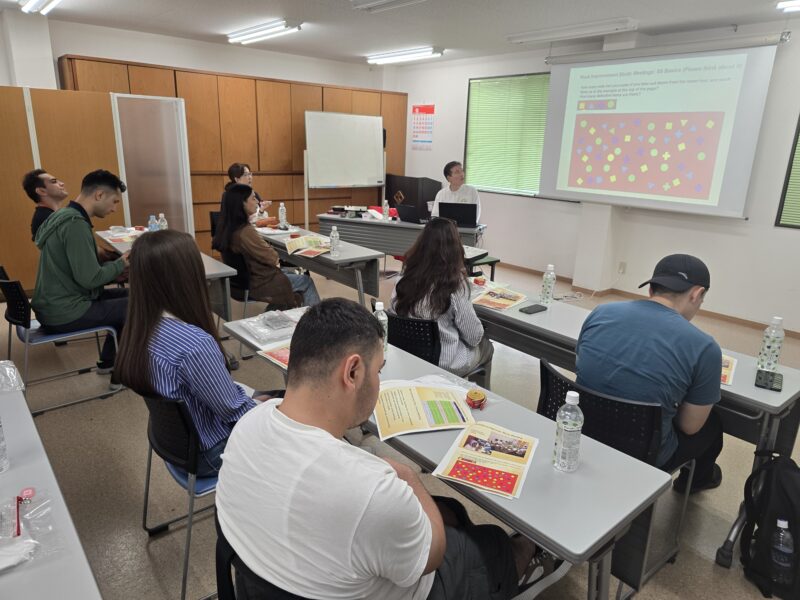
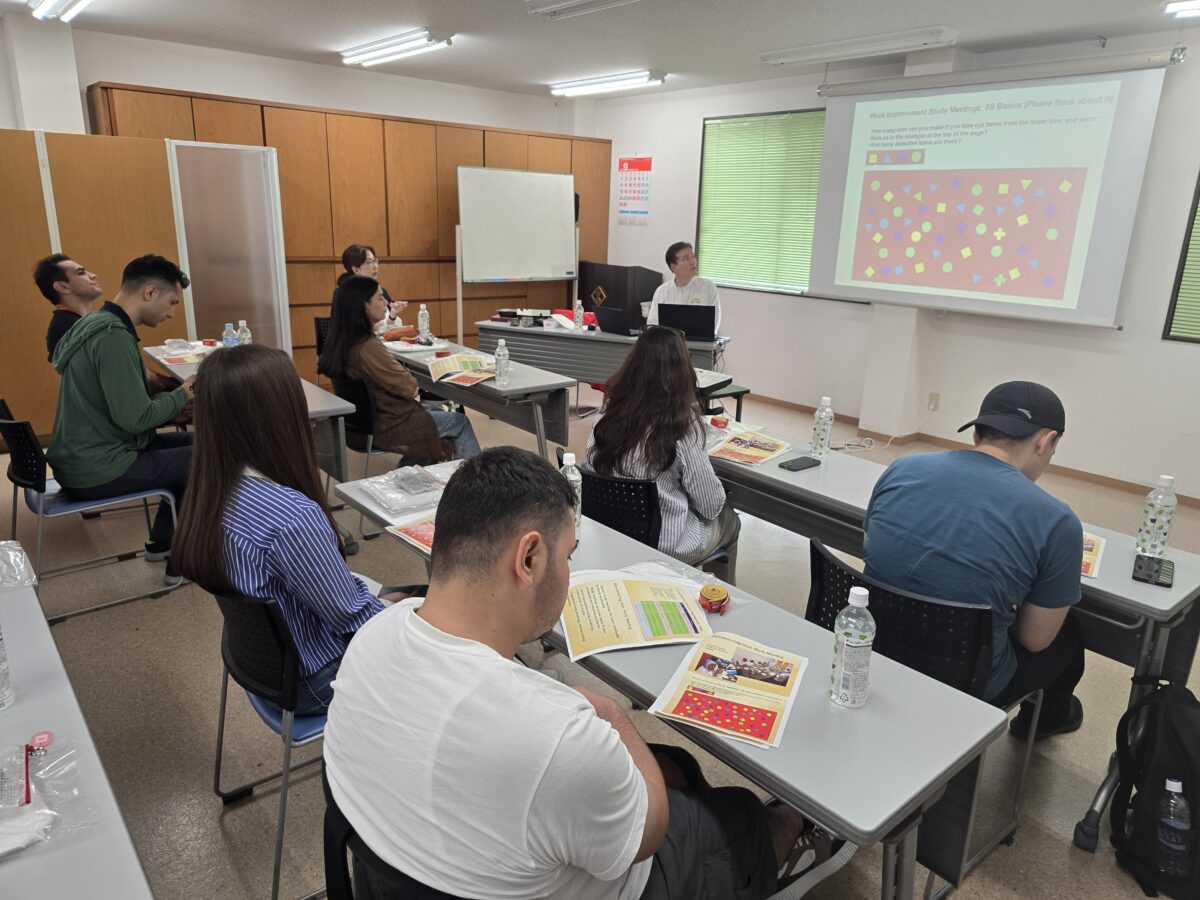
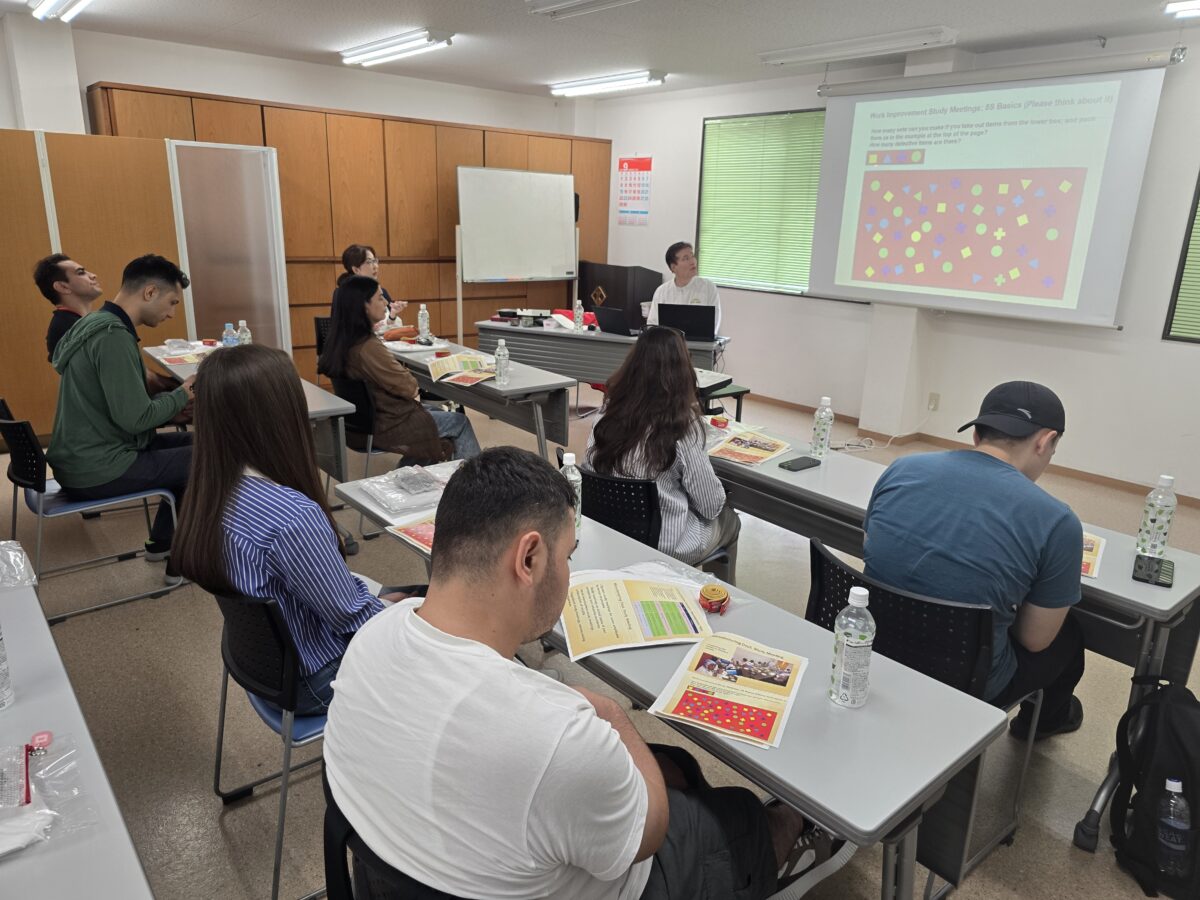
At a lecture: 5S Experiencing Game[
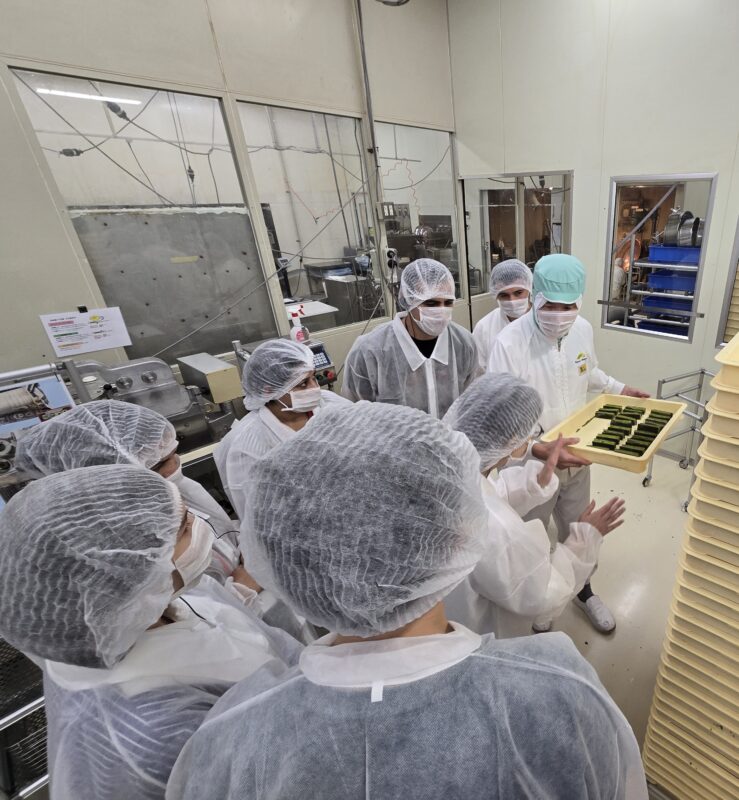
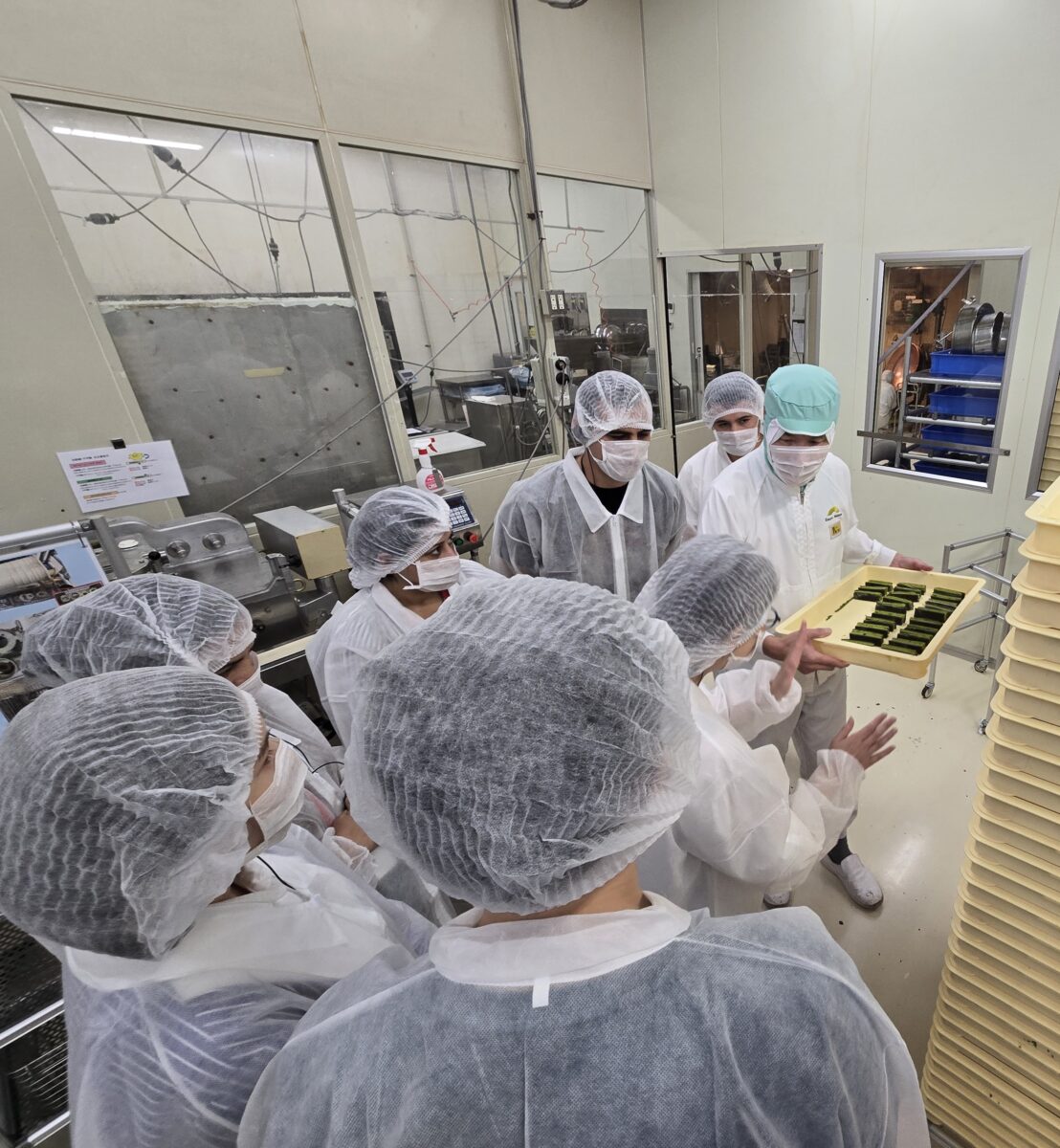
Visit inside of the factory
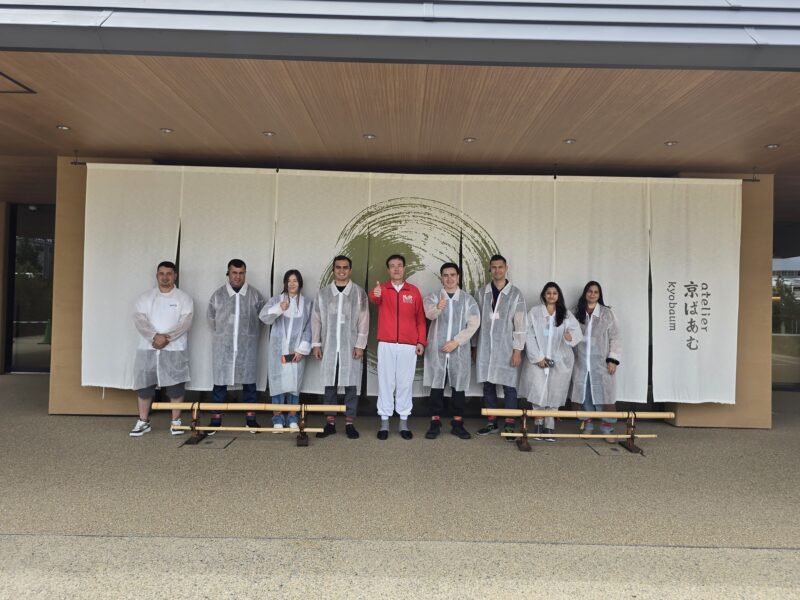
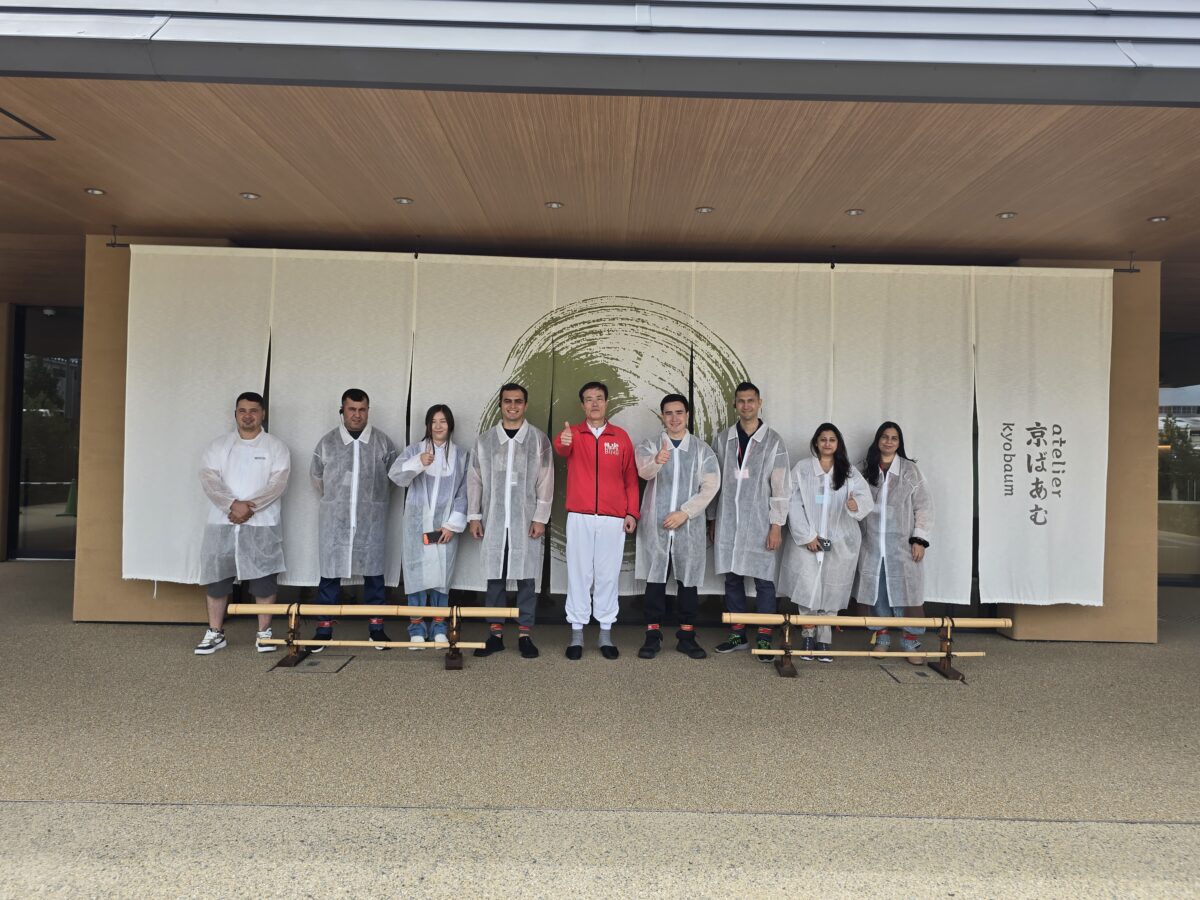
Group photo at atelier Kyo baum
This course was attended by nine participants from four countries: Kyrgyz, Tajikistan, Uzbekistan, and Pakistan. This four-day program was designed to help participants deepen their understanding through talks by guest speakers from SME support organizations, financial institutions, company owners, and company representatives in Japan, as well as through on-site visits and opinion exchange.
Below are comments from international students.
Student from Pakistan
“I am considering researching successful cases of SMEs in my graduate studies. I was deeply impressed by the 5S practices implemented by the companies we visited, as well as by the support provided by financial institutions and local foundations. I strongly hope to use Japanese SMEs’ business models as the theme of my future research.”
Student from Tajikistan
“I was interested in the philosophy of the Omi merchants introduced in Shiga Prefecture. In particular, I was surprised to learn that the concept of Sanpo-yoshi (triple win) has been preserved and continues to be practiced by modern financial institutions. This philosophy is valuable for building win–win relationships among all stakeholders in business and is an important element of regional revitalization.”
Finally, we will introduce what interested all the international students. The participants had an opportunity to visit the factory production line, after the lecture when visiting to a confectionery maker.
They experienced firsthand how Japanese companies maintain high hygiene standards through thorough washing and sanitization processes before entering the production areas. It was a valuable experience that provided insight into the background of the high quality of Japanese manufacturers.

