

Category
Schedule
September 18th – October 15th, 2025[
Country / Member
- Cambodia
- Timor-Leste
- Nepal
- Cuba
- Palestine Territory, Occupied
- Turkmenistan
Target
For Government Officials and Business Leaders from Developing Countries
Participants
Staff members of public organizations responsible for investment promotion or business environment reform, in particular, government officials, etc. with three or more years of experience in investment promotion and/or business environment reform at investment promotion organizations, ministries or agencies related to investment, the Ministry of Development, the Ministry of Planning, the Ministry of Industry, the Ministry of Trade, or national-level chambers of commerce (6 participants from 6 countries)
This training course is designed for government officials and equivalent professionals responsible for investment promotion and/or business environment reform. It aims to provide participants with essential basic knowledge and analytical skills to advance such initiatives in their home countries. The course also deepens understanding through company visits and discussions with businesses engaged in investment, and strengthens participants’ capacity for practical action through the development of action plans.
Schedule
September 18th – October 15th, 2025[
Course Leader
Kenta Goto (Professor, Faculty of Economics, Kansai University)
Client Organization
JICA Kansai
SDGs
Persons in Charge
Hattori, Yamauchi, Fujii
Instructor / Visited sites
JICA Project Specialists[FG7.1], etc. (15 lecturers/locations visited)
JICA Investment Promotion and Business Environment Reform (Basics) (A)
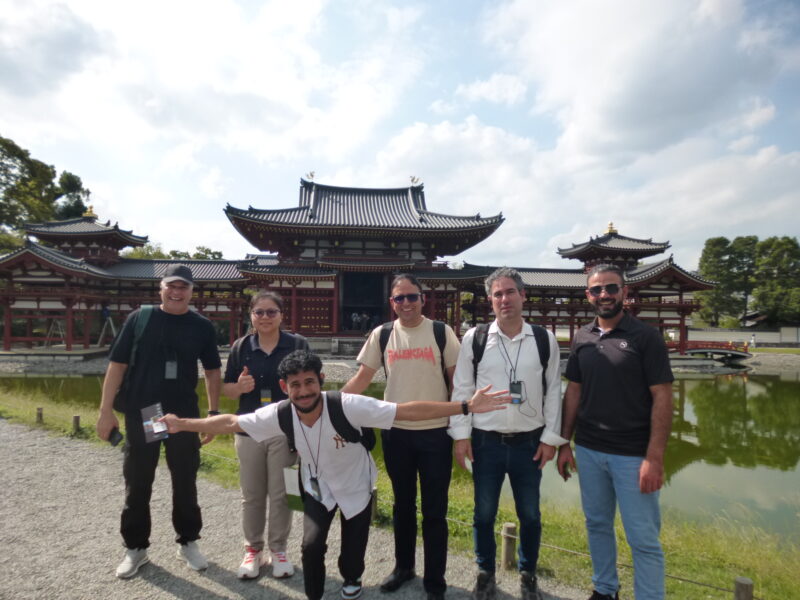
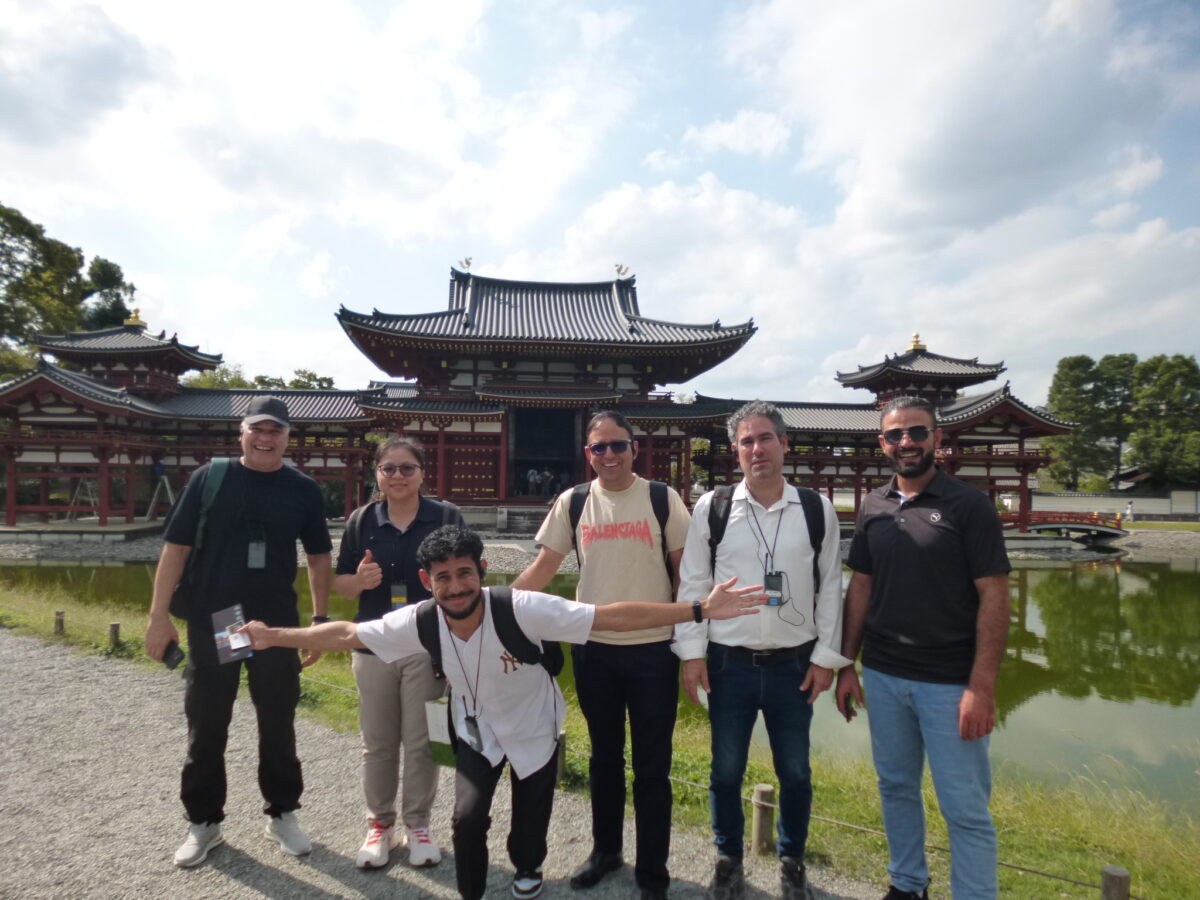
At the Byodoin Temple
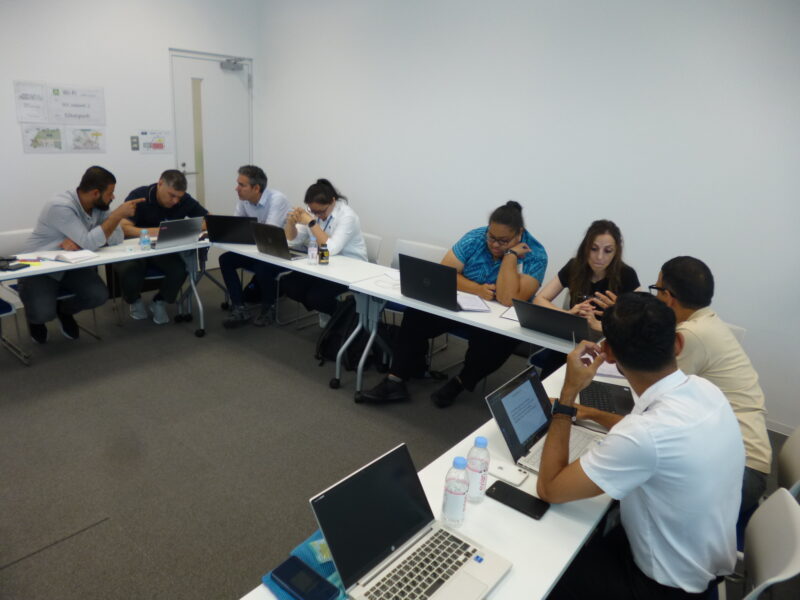
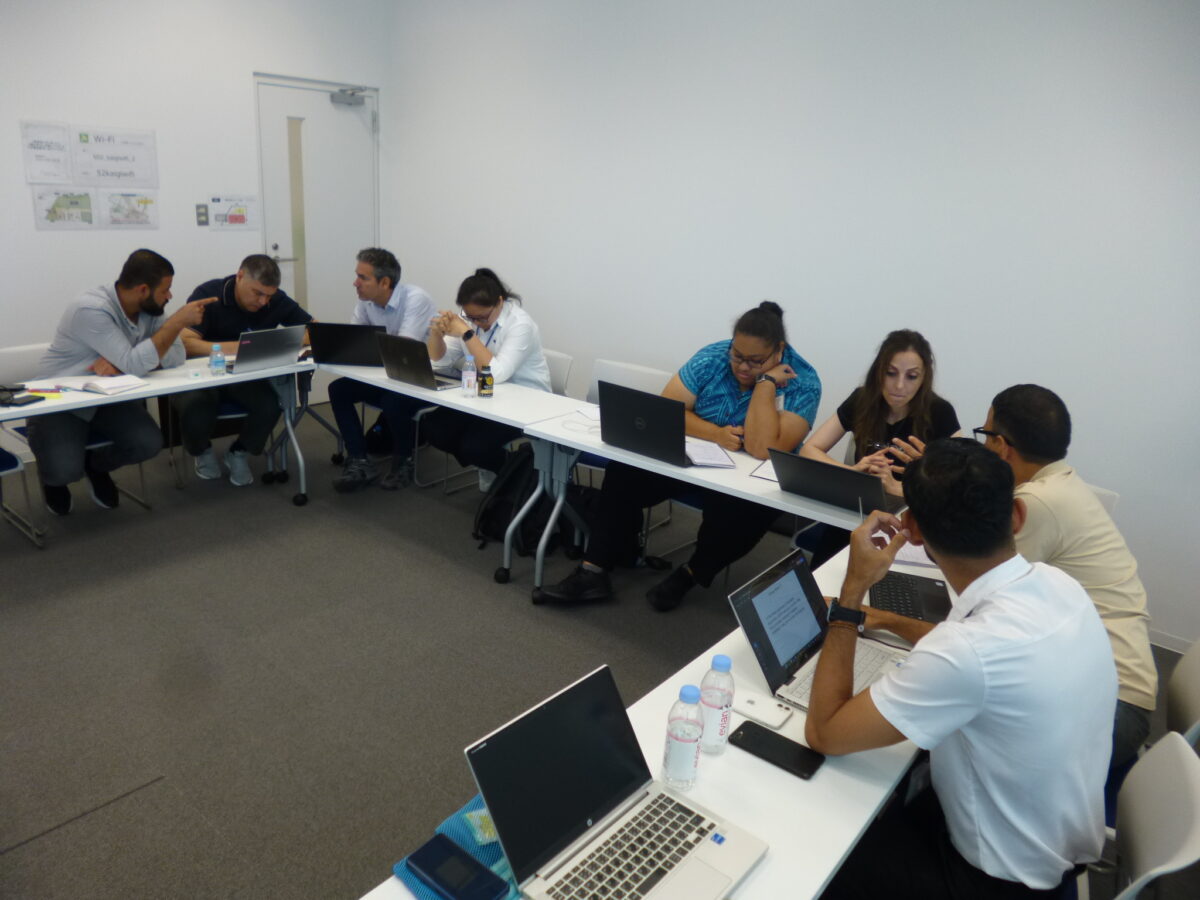
Group discussion
In this training course, participants learned about Japanese companies’ approaches to overseas expansion and the business environments they seek in target countries through lectures, factory visits, and opinion exchanges with major and medium-sized manufacturers. The lectures also included sessions by international organizations involved in overseas investment promotion and technology transfer, central government ministries and agencies responsible for overseas investment treaties, local authorities dedicated to industrial promotion, and experts in the field of economic partnership. Participants also deepened their understanding of each training program by sharing insights gained from expert lectures and site visits during the review session. They commented:
“Combining innovation support measures with policies focused on the SDGs can generate high value-added investment and help promote innovation among existing companies, enabling them to transition toward SDG-oriented production.”
“I came to understand that decisions on business expansion are based not only on costs, but also on comprehensive factors such as the market environment, tax systems, infrastructure, public safety, and, most importantly, trustworthy local partners and Japanese companies as a potential customer base.”
At the final stage of this course, each participant selected potential candidate industrial sectors and products from their own country for investment attraction. They then developed investment promotion strategies for their selected products with appropriate guidance and advice from the experienced course leader and formulated practical action plans, thereby fully achieving the objectives of the training course.

