

Category
Schedule
September 1st – October 11th, 2025, and December 3rd, 2025(Online report) *Training period
Country / Member
- Azerbaijan
- Kazakhstan
- Kyrgyz
- Tajikistan
- Uzbekistan
Target
For Government Officials and Business Leaders from Developing Countries
Participants
Staff members engaged in the formation, operation, and promotion of industrial clusters at central or local governments, industry associations, universities, or research institutions responsible for the operation and promotion of industrial clusters in their respective countries (6 participants)
A Training Course Was Held for Participants from Central Asian Countries to Experience Industry–Academia–Government–Finance Collaboration and to Apply It in Practice.
Schedule
September 1st – October 11th, 2025, and December 3rd, 2025(Online report) *Training period
Course Leader
Takashi Yamamoto (Professor, Faculty of Political Science and Economics, Takushoku University), Andrey Belov (Specially-appointed Professor, Department of Economics, Fukui Prefectural University)
Client Organization
JICA Hokuriku
SDGs
Persons in Charge
Kawaji, Kojima, Fukushima
Instructor / Visited sites
University lecturers, government officials, etc. (4 lecturers and 15 locations visited)
JICA Local Industry Promotion by Cluster Approach (B) Training Course Report
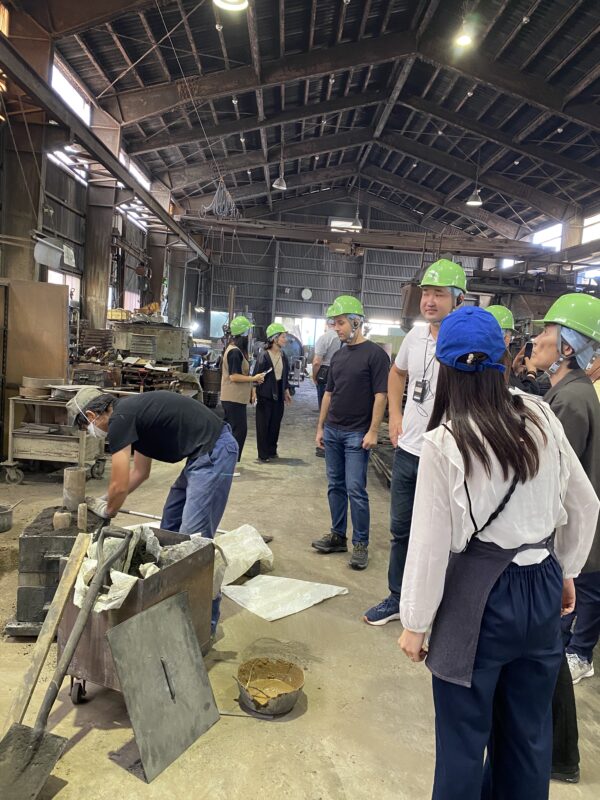
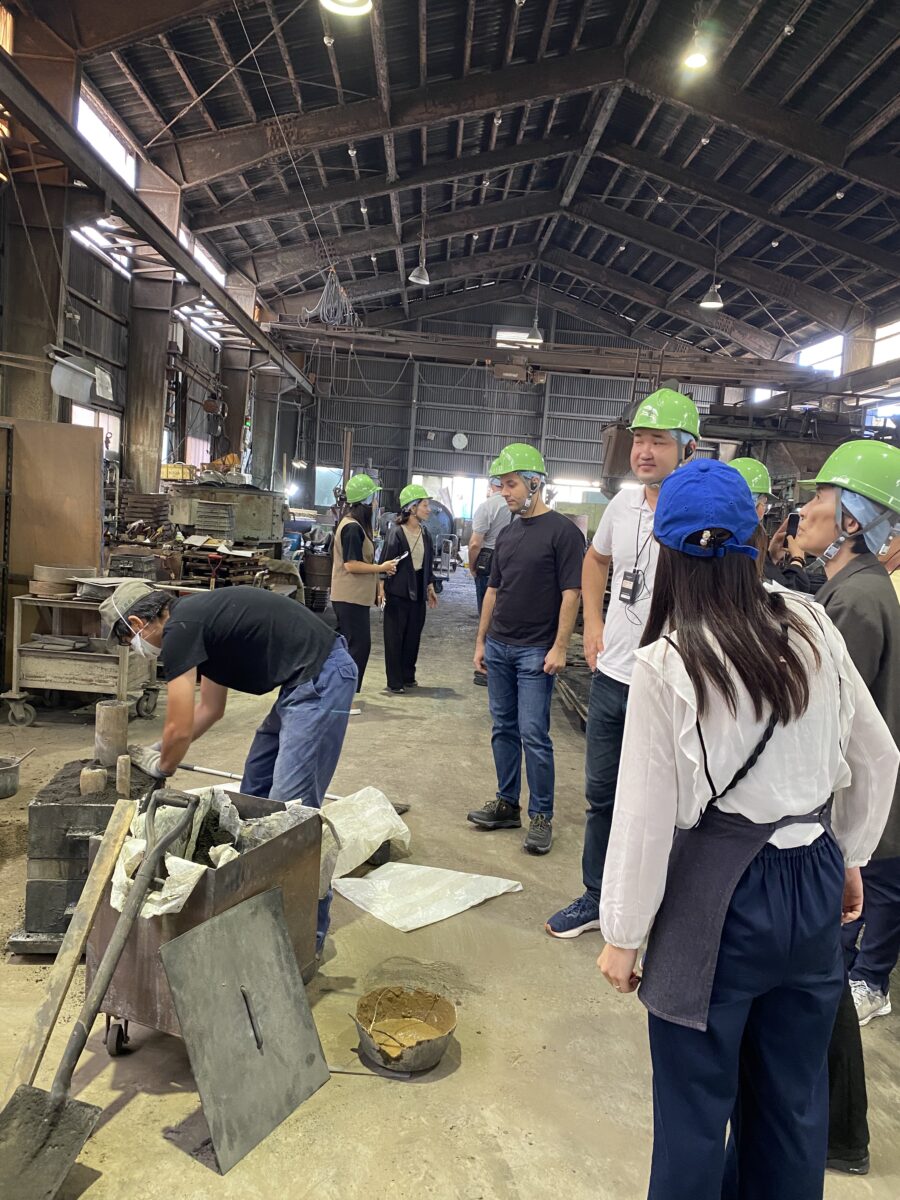
Kanamori Alloy Co., Ltd.: Participants visited the foundry in Kanazawa
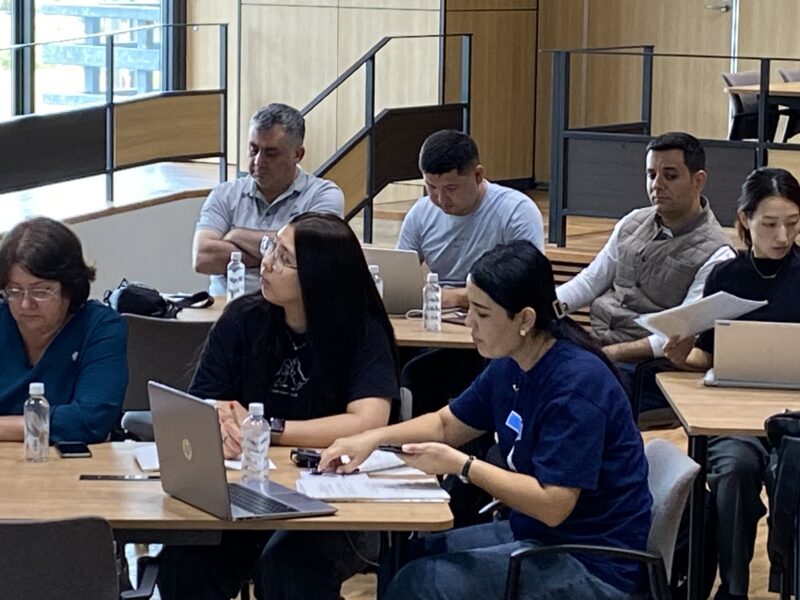
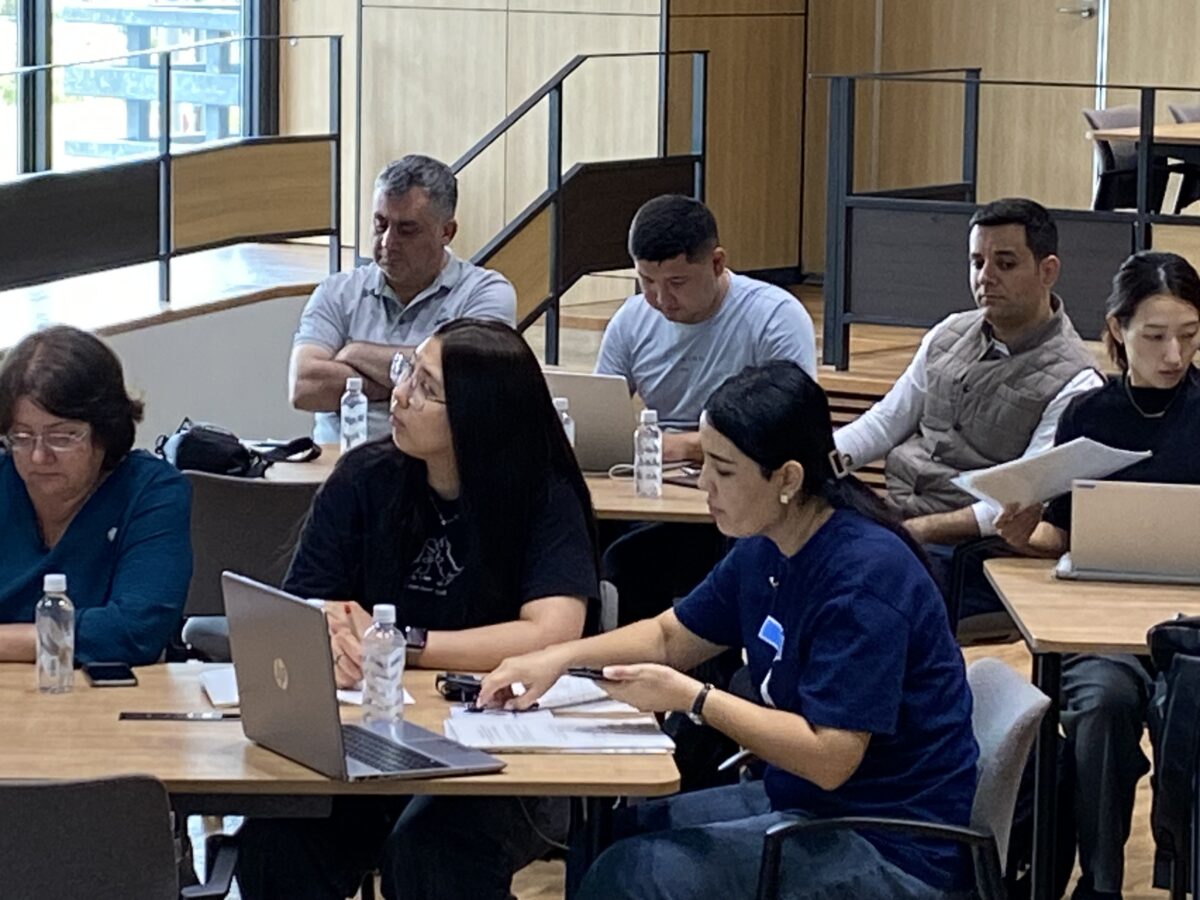
Foundation for Biomedical Research and Innovation at Kobe: Participants attended the lecture at a medical cluster–related organization


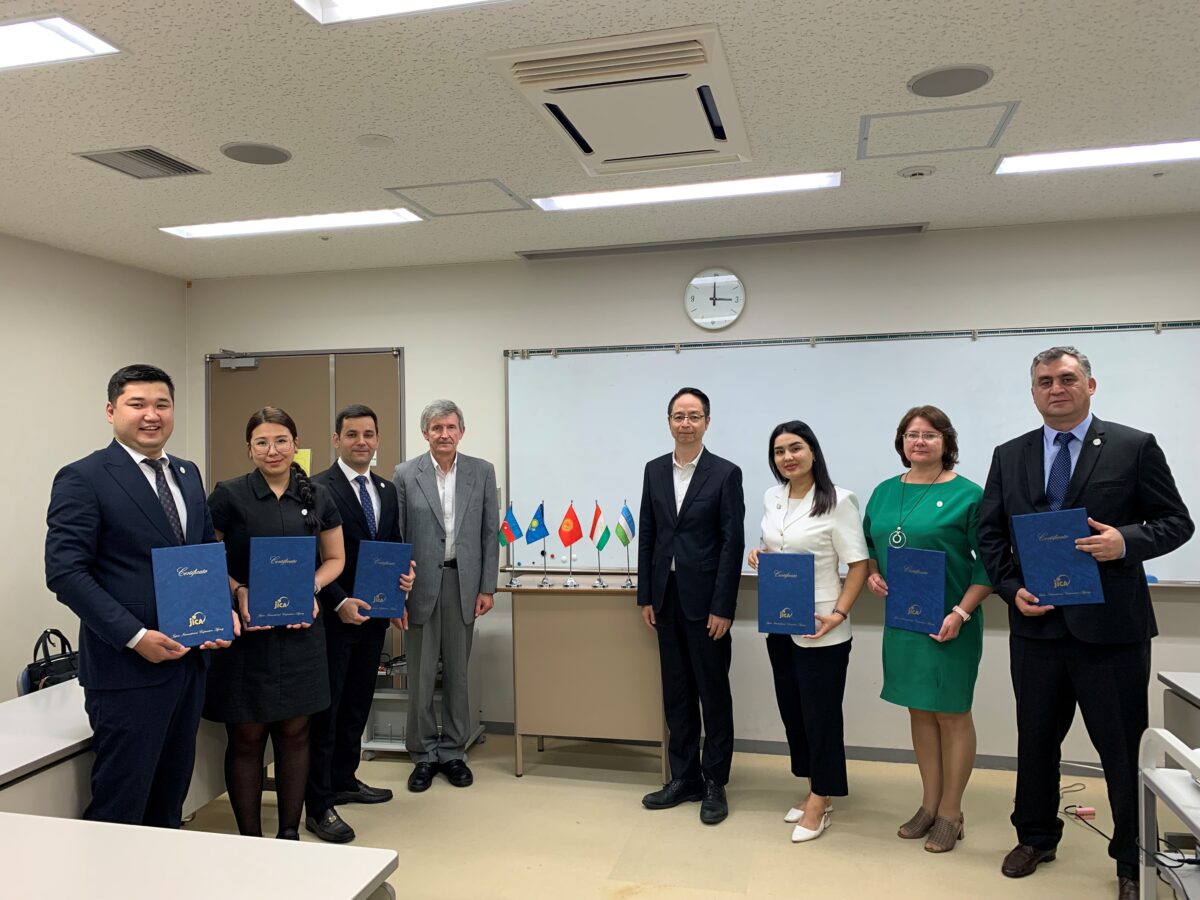
Completion Ceremony: Participants and lecturers at the completion ceremony after three-week course in Japan
A Training Course Was Held for Participants from Central Asian Countries to Experience Industry–Academia–Government–Finance Collaboration and to Apply It in Practice.
The Industrial Cluster Policy was once promoted in Japan. However, it has since evolved, and concepts such as industry–academia–government collaboration and open innovation are now applied. Although the form of the policy has changed, these approaches share crucial common principles for promotion: regardless of the industrial sector, representative local industries, core industries, and innovative industries cannot be established without organic integration of supporting and nurturing policies, implementing organizations, and local stakeholders, including companies, universities, and financial institutions.
Against this background, this training course was designed to give participants from Central Asian countries the opportunity to observe on-site how companies collaborate with each other and how administrations support them, as these countries are currently promoting industrial cluster policies.
In this course, participants had opportunities to learn about industry-academia-government collaboration in Osaka, and about the medical cluster in Kobe, in the Kansai region. They also studied industry-academia-government collaboration with local industries, such as spectacles, in Fukui, as well as the role of financial institutions. In Kanazawa, they learned about the collaboration among local industries, including gold leaf and casting, the textile industry, and university research organizations. Participants also had opportunities to meet and discuss with government staff and supporting organizations promoting these industries.
We analyzed the strengths and weaknesses of each country’s approach and arranged training venues representing different positions within industrial clusters as much as possible, so that participants could incorporate insights gained during the visits into their own national clusters. On the final day, each participant presented concrete action plans proposing measures for the relevant cluster.
After the participants return to their countries, they will implement their action plans and provide online updates on their progress in December. We hope that the formation of industrial clusters in their respective countries will be accelerated by incorporating feedback from the course leaders, which will be provided during the interim report.

