

【PREX Global Network Interview Vol.5】 Mr. Dejan ANTIKJ (North Macedonia) Vol. 1/4
Passion toward his work and great fan of Japan in North Macedonia!
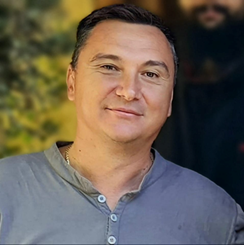
Mr. Dejan Antikj is PREX Global Network(PGN) member who participated in the course on “Training and Dialogue Program Financial and Technological Support for Small and Medium Enterprises Promotion(A)” in year 2011 which was entrusted by JICA.
Even after more than 10 years have passed, PREX staff and Mr. Dejan communicate time to time. And we come to wonder his strong motivation and passion toward his work. And also why he likes Japan so much.
So we decided to have interview session and ask about his career and history.
Starting from today, we will upload his story which divided into 4(four) parts. Every part contain his passion, motivation and positive attitude toward his life.
As a series of 【PREX Global Network Interview 】, interviews of past participants who have interesting background will be uploaded regularly.
We hope this articles will bring you some insight and more than that, hope you enjoy these article.
******************************************************************************
Interview with the PREX Global Member after meeting 13 years ago
His passion to support people and love to Japanese culture
Interview with Mr. Dejan Antic
PREX:
Thank you very much for taking the time to speak with us today. You took part in the JICA SME Promotion Course back in 2011, and since then, we’ve stayed in touch through social media and other channels.
Today, I’d like to hear about your current work — from what I see on your social media posts, you continue to dedicate yourself to supporting people in your region. I’d love to ask you about your experiences, the challenges you face, and what motivates you to keep working for the community.
Also, I know you are a great fan of Japan. If time allows, I’d like to hear about what sparked your love for Japan as well.
Dejan:
Thank you so much for this opportunity. I am still very, very grateful to JICA and the Pacific Resource Exchange Center (PREX) for everything you did during the Group Training Course on Financial and Technological Support for Small and Medium Enterprises promotion (A), JFY2011 for our group and for me personally.
The seminar really helped me grow, both professionally and personally, and the contents were extremely valuable.
In fact, I still apply much of what I learned there in my work today. So, I’m very happy to have the chance to share my story.
PREX:
To start, could you tell me about your current job? I understand you’re now working for a global NGO?
Dejan:
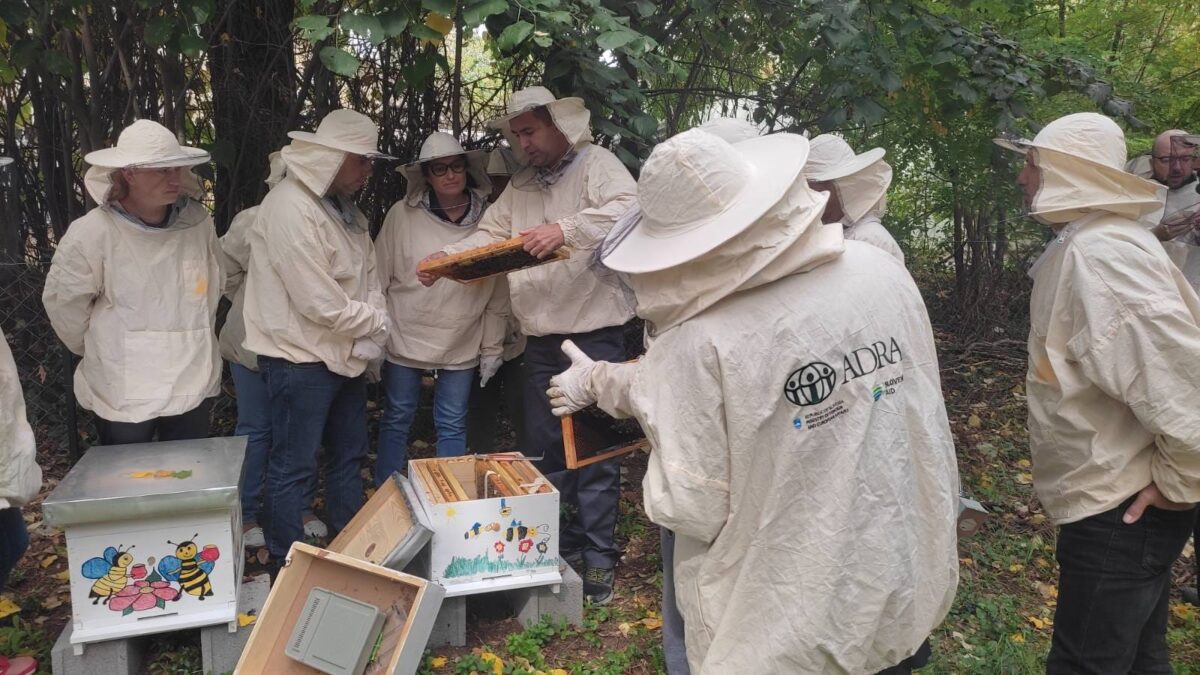
Yes, that’s right. I am currently working at the Adventist Development and Relief Agency (ADRA) North Macedonia.
PREX:
Since then, have there been any changes in your career or your personal life? If so, could you tell me about them?
Current career of Mr. Dejan and what bring him to there?——————————-
PREX:
What would you say has been the biggest change for you after participating in the seminar in Japan?
Dejan:
Yes, I see two main areas of change. First, I gained substantial knowledge in the field of economics.
Second, I grew a lot and matured as a person.
My interest in Japanese culture actually started much earlier, when I was about 10 years old, especially with things like Samurai and Ninja. By the time I was 15 or 16, I had learned a great deal about Ninja culture. But perhaps we can save that topic for later.
PREX:
Could you tell me more about how you applied the knowledge you gained during the seminar?
Dejan:
When I came back from Japan, I was working in a local government position — not at the central government level. Immediately after returning, I invited some government officials and gave them a presentation about everything I had learned in Japan.
These officials realized that the Macedonian government now had someone with extensive knowledge about financial and technological support for SMEs. They did send some representatives, but to be honest, I was disappointed with the level of the decision-makers they sent.
It wasn’t that their positions were too low, but rather that the top-level decision-makers themselves did not come. As you might know, government officials here often do not have a strong interest in making changes to their way of working.
Since 2019, we have seen several different political parties come into power, but I still haven’t seen much genuine interest from top decision-makers to use the knowledge to drive development in a meaningful way. I wanted to share my insights with people who could actually apply the information and make real improvements.
So I changed my tactics. After finishing my role in the central municipality, I moved through several job positions. Through these changes, I was able to introduce a lot of innovations at the local government level.
For example, I helped develop a municipal development strategy and introduced some technological improvements. Together with my colleagues, we implemented software tools to better manage all the sectors — from urban planning and environmental protection to local development.
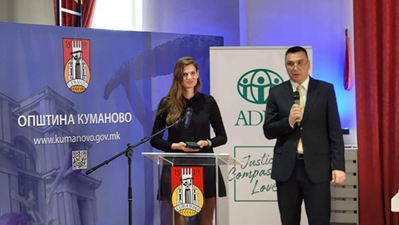
Internally, the local self-government unit had not been very well organized. They didn’t even have adequate management information systems. After returning from Japan, I proposed several changes to improve how the municipality functioned. The management team accepted these proposals, and step by step, the work continued, even after I moved on to different roles in other organizations.
I am proud that I was able to leave a sort of Japanese legacy in the Center Municipality. Thanks to continuous efforts, there have been significant improvements in general management there.
(to be continued to next article)
- 2026-03-06

