

【PREX Global Network Interview Vol.4】Guatemala, El Salvador, Honduras, Nicaragua
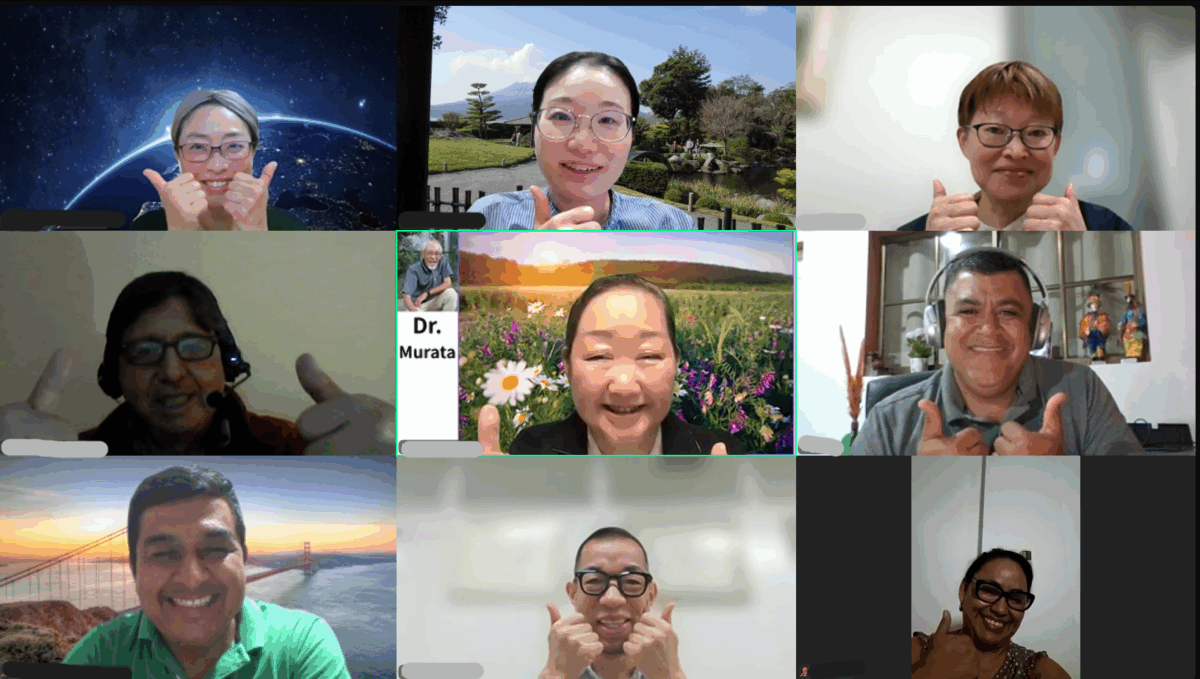
Willy, Mario, Ada and Roger are PREX Global Network (PGN) members who participated in the course on “Regional Industrial Development by Public-Private Partnership for Central American and Caribbean Country” in 2011 which was entrusted by JICA.
We welcomed participants from four countries and had a wonderful online reunion.
Please enjoy reading about each of their journeys over the past 14 years.
******************************************************************************
PREX:
Let us begin today’s event.
One of our purposes is to summarize your experiences into an article and share it with the PGN members, thousands of people worldwide who have joined the courses conducted by PREX.
The experiences and initiatives you have accumulated in your own fields will certainly inspire and resonate with the other PGN members of other countries and regions.
First, let us start with self-introductions.
There are three questions:
Your name, your current work, and, if you had to describe the past 14 years since 2011 in one word, what would it be?

Willy san (Guatemala):
Mr. Cifuentes Galvez Guillermo David, Director, Association of Agricultural and Microenterprise Development (ADAM)
Thank you once again for this opportunity.
My name is Guillermo (Willy) Cifuentes. I have continued to work in almost the same field as during my stay in Japan, and I am now the representative of a small-scale farmers’ cooperative association called ADAM.
If I had to describe these 14 years in one word, it would be “Inspiration.”
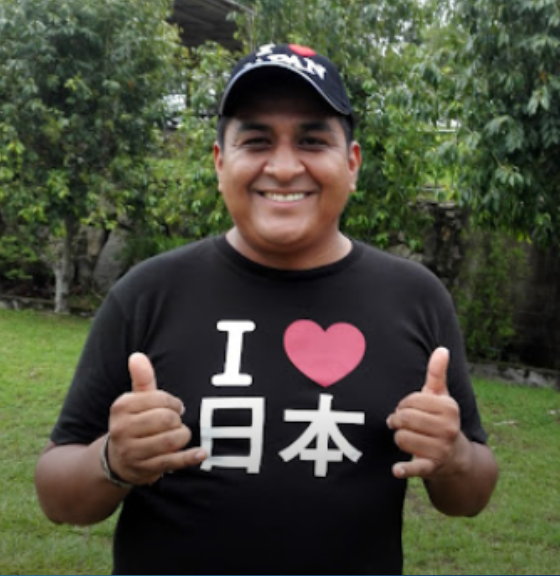
Mario san (El Salvador):
Mr. Vaquerano Cruz Jose Mario, Consultant
I am Mario Vaquerano. I am very happy and honored to reunite with all of you.
Currently, I am working independently as a consultant supporting micro, small, and medium-sized enterprises.
If I had to summarize the 14 years in one word, it would be “Brotherhood.”
Roger san (Nicaragua):
Mr. Montenegro Mercado Roger Antonio, Founder, Cooperative
My name is Roger Montenegro from Nicaragua. I am sincerely grateful for this wonderful opportunity.
Good evening to everyone in Central American countries, and good morning to everyone in Japan. Sending you a warm hug from here.
In 2015, I started my own business, launching a wholesale operation of beef and chicken. Today, I work with 12 employees.
If I were to describe what I learned over the past 14 years in one word, it would be “Proactivity.” I have become much more positive and active than before.
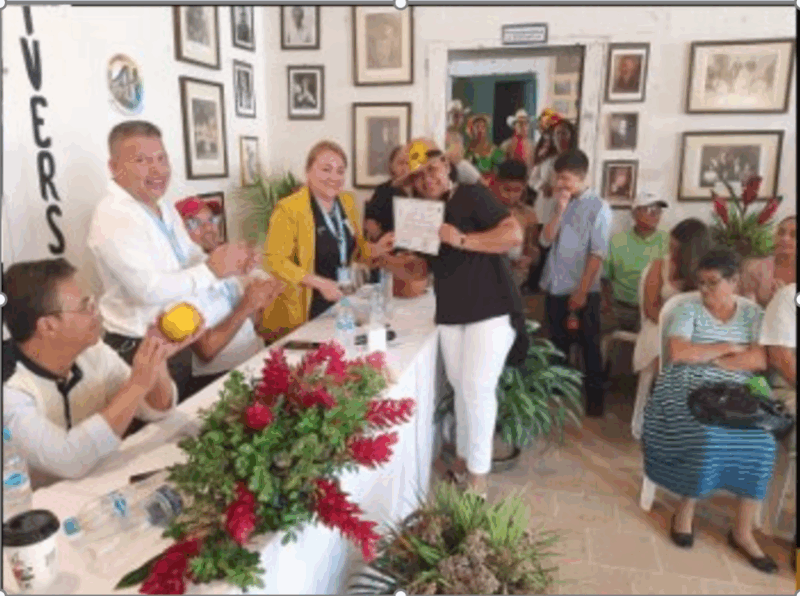
Ada san (Honduras):
Ms. Ruiz Gunera Ada Yaneth, Cooperativa Mixta de Emprendimientos Directos
My name is Ada Ruiz. I am truly happy to see you all again.
Currently, I work as an assistant in the National Congress of Honduras, serving as a bridge among the government, local authorities, NGOs, and women’s organizations. I am also engaged in entrepreneurial support.
If I had to summarize the 14 years in one word, it would be “Passion for Entrepreneurship.”
PREX:
Now, we will invite Willy, Mario, and Ada to present the materials they have prepared in advance. We will then hear individually from Roger.
Let’s start with Willy san.
Willy san:
The first slide introduces the course I joined in Japan in 2011: “Regional Industrial Development by Public-Private Partnership for Central American and Caribbean Country.”
My action plan at the time was titled “Coordination among Small-Scale Producers’ Associations” and “Creation of Alternatives for Sustainable Development in the Food Market through Coordination between the Private Sector and the State.”
Currently, I serve as Executive Director of ADAM, the Association for Agricultural Development and Small Enterprises. ADAM aims to improve rural livelihoods by promoting value chain development in the agri-food sector. We focus on continuous improvement and quality enhancement in supply, production, processing, and sales.
One success story is the establishment of a bio-factory. By utilizing local resources and applying Japan’s “bokashi” technology, we implemented organic farming practices. This has led to a sustainable protocol including pest and disease control, nutrient supply, and microbial utilization.
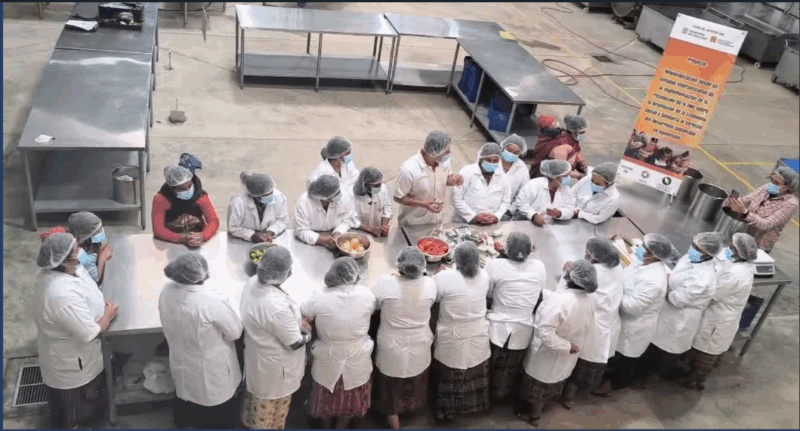
We also launched a “Kizuna Group” in collaboration with government agencies, civic organizations, universities, and businesses. Together, we built and now operate a school and plant dedicated to agro-processing. This provides technical training and generates added value.
Another achievement is training indigenous women in producing tomato paste and juice. We are now aiming not only for the domestic market but also for international markets to expand recognition of small farmers’ products.
Furthermore, we are developing new products such as powdered foods made from cauliflower and broccoli. In the future, I hope to contribute further to rural economic development and poverty reduction.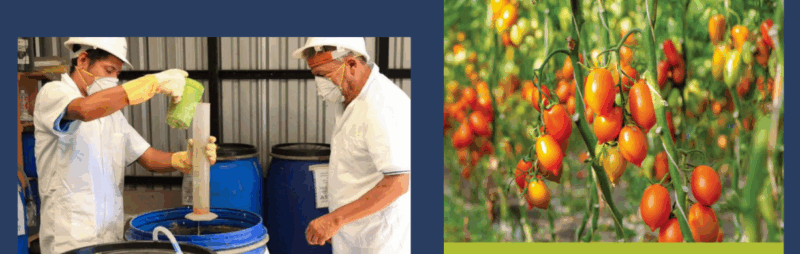
Mario san:
Good evening, and good morning.
The theme of my presentation is “Japan Changed My Life.”
I was fortunate to visit Japan not only in 2011 but also again in 2016. Today, I will share my journey through three perspectives:
1.My work as a national development expert
2.My activities as a consultant
3.My challenges as an entrepreneur
One of the most joyful experiences was being able to show Japan’s beauty and culture to my sons.
As a national development expert, I worked on regional promotion for small and micro enterprises. In El Salvador, I facilitated agreements between 60 tourism-related companies and 9 municipalities. In Honduras, I signed agreements with 5 municipalities, focusing on commerce, tourism, and citizen safety. These initiatives were supported by the University of Texas at San Antonio.
Between 2016 and 2018, I was recognized as “National Best Consultant” by the National Commission for Small and Medium Enterprises of El Salvador. Of course, this was not solely my achievement, it was thanks to collaboration with PREX, JICA, and many others.
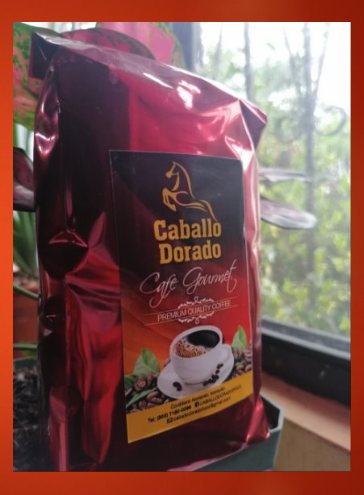
Currently, I have launched a brand called Caballo Dorado (Golden Horse), which expresses El Salvador’s pride and identity. Through these activities, I have witnessed transformations in people’s mindsets and the expansion of their possibilities.
Finally, I would like to express my deep gratitude to PREX and to the people of Japan. I am proud to share my 14-year journey with you.
Ada san:
Good evening, everyone. Thank you very much.
My encounter with Japan was a deeply meaningful experience. The lessons I learned 14 years ago continue to be at the heart of my work today.
I currently serve as an assistant to the President of the National Congress of Honduras, where I am involved in social policy, particularly in supporting low-income women and members of cooperatives. I also take part in reviewing legislation and in promoting the sale of local products at various events, such as cultural fairs, entrepreneurship fairs, and promotional exhibitions.
At the same time, while pursuing a degree in law, I provide free training for groups of entrepreneurs. I work in collaboration with central and local governments, NGOs, and civil society organizations to support a range of initiatives.
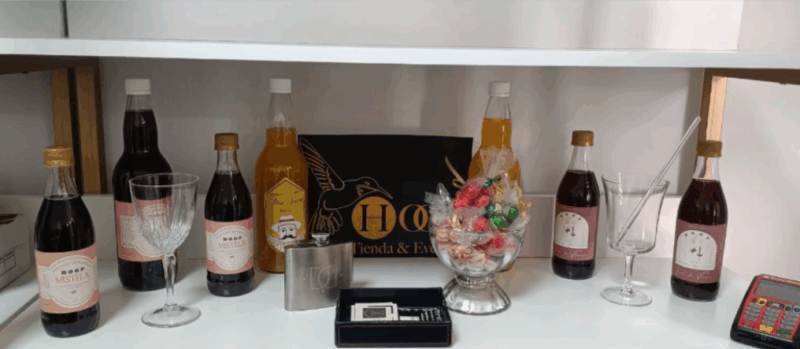
Through my work in entrepreneurship development, I apply my knowledge to help manage and promote micro-enterprises, including their participation in events. Since many rural areas lack venues to display and sell handmade crafts created by local residents, I hope to establish my own business in the future, a bistro that combines a shop and an event space, where artisans can showcase their products and share their culture with visitors.
Under the brand HOOP, we produce artisanal beverages such as Mistela, a healthy drink made from ginger and other natural ingredients, as well as Crema de Cafe, crafted with locally grown products.
In addition, I have received recognition from women’s groups and cooperatives for my work.
I continue this work for six reasons:
1.To fulfill my own dream
2.To serve as a guide for the next generation of entrepreneurs
3.To build my own brand
4.To establish networks both domestically and internationally
5.To incorporate practices from other countries and innovate local products
6.To be a role model
Finally, to all the people of Japan, thank you very much. Your lessons and support have been the driving force of my work today.
Roger san:
Good evening, everyone.
When I returned home after completing the course in Japan in 2011, my perspective on life had greatly changed. Until 2015, I worked in government institutions on cooperatives and accessibility research. Afterwards, I became independent and entered the livestock industry.
However, over six years I realized a hard truth: while producers put in effort, it is the intermediaries who reap the profits. So in 2021, I left livestock farming and learned about distribution and commercialization of processed meat from the consumer side. After gaining this experience, I returned to production, and together with young agricultural engineers, I established a cooperative. Now, we are creating value through an integrated process from production to processing and sales.
The biggest challenges are “organization” and “market access.” I am convinced that building mechanisms to return fair profits to producers is essential to achieving a just society.
Currently, I work with 42 graduates trained in agricultural engineering. Together, we aim to provide fairly priced products to the domestic market, improving the quality of life for both producers and consumers.
PREX:
Thank you. It is clear that each of you has applied your learning and given back to society.
At PREX, we are also working to widely share the experiences and activities of returned participants and to strengthen mutual learning. As part of this, we run an online exchange program called PGN Cafe, where participants from different countries discuss social issues and share experiences in English.
Your presentations today have been full of insights. With that, let me ask: In your view, what social issues are your activities helping to solve?
Roger san:
I believe the key is “organization.” By working in an organized way, livestock producers can improve productivity and quality, which in turn leads to solving social issues.
PREX:
Does livestock farming occupy a large share of Nicaragua’s economy?
Roger san:
Yes. About 80% of Nicaraguans rely on agriculture and livestock as their main source of income.
PREX:
That means it is a challenge with a great impact on the entire country. Thank you. Now, Ada san, please.
Ada san:
In Honduras, “job creation” is a major challenge. I aim to create an environment where women in particular can start their own businesses.
As of 2024, the unemployment rate has reached 80%, and many companies have gone bankrupt. Men are often forced to work abroad, while women remain at home supporting their families. At the same time, due to machismo culture, women are often left behind.
I want to support women and mothers to stand on their own feet and move forward positively together with their families.
PREX:
Thank you. Next, Mario san, please.
Mario san:
The issues I focus on are the “empowerment” and “capacity building” of young people. Their presence and potential need to be fairly recognized, and information and support must be delivered strategically according to their situation.
However, within the existing system it is difficult to gain understanding, and young people often feel underestimated. That is why my approach is to reach out to individuals and organizations to expand understanding.
PREX:
Thank you, Mario san. Finally, Willy san, please.
Willy san:
My focus is on addressing “imbalances” in Guatemala. While just 3% of companies account for 68% of GDP, micro, small, and medium enterprises, which making up 56% of all businesses, contribute only 5%.
To close this gap, I am working on supporting SMEs and empowering women. In Latin America, it is often said that “poverty has a woman’s face,” highlighting the seriousness of women’s poverty.
PREX:
Today’s session has provided us with a great deal of learning.
We hope to continue creating opportunities to share such experiences and knowledge.
Thank you all for this wonderful time.
We look forward to seeing you again.
END
(as of June 11, 2025)
- 2025-11-04

