

Category
Schedule
May 14th – May 29th, 2026 *Training period
Country / Member
- Kenya
- Nigeria
- Uganda
- Zambia
- Rwanda
- South Sudan
- Ghana
- Ethiopia
Target
For Government Officials and Business Leaders from Developing Countries
Participants
Officials from central government ministries and agencies, or local governments responsible for agricultural guidance/extension (15 participants)
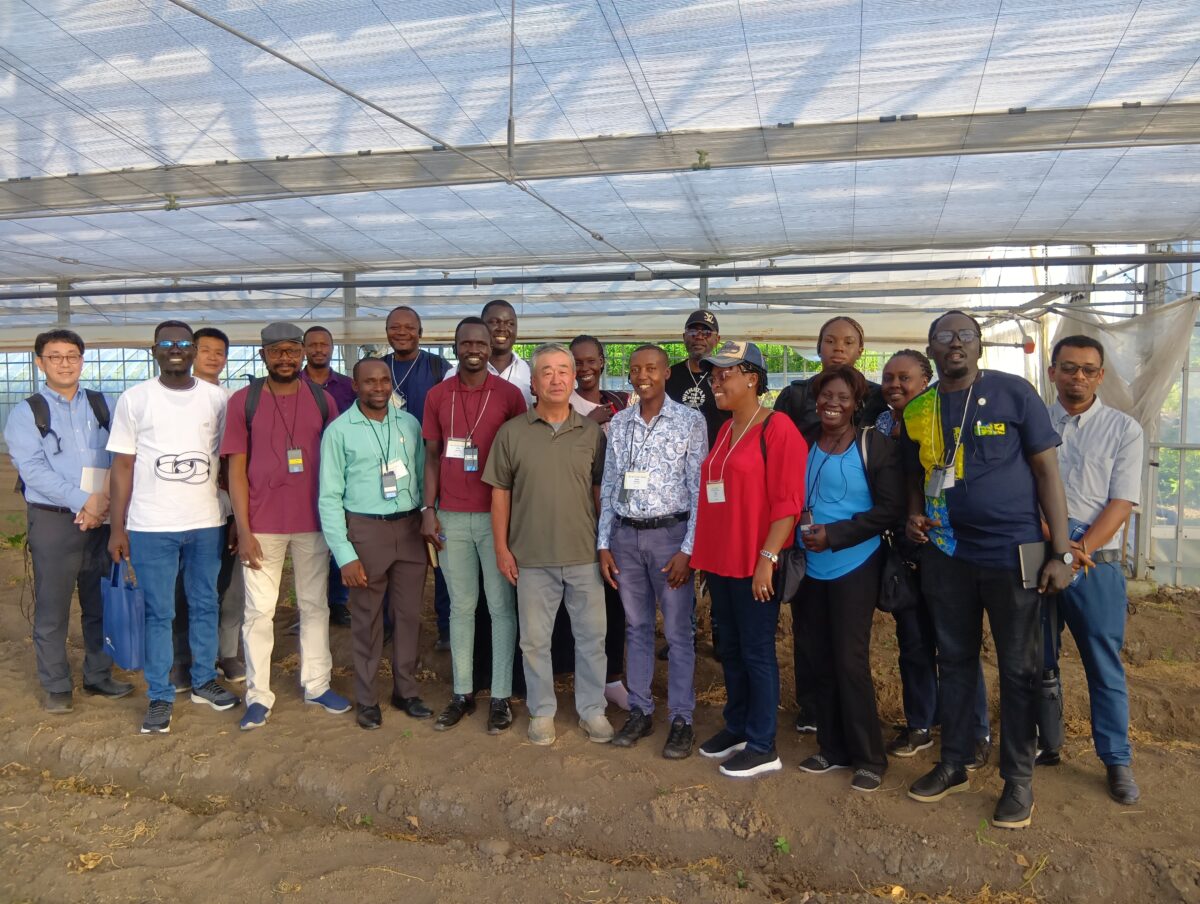
Fifteen participants from eight African countries—including project managers for the SHEP approach and government officials responsible for agricultural extension and guidance—took part in this training course. The program aims to deepen their understanding of the “SHEP approach” (*) through lectures and field visits to learn about Japan’s extension/agricultural guidance system and market distribution system with the goal of implementing it in their own countries.
*The Smallholder Horticulture Empowerment & Promotion (SHEP) Approach More details
The training course was designed to deepen trainees’ understanding of the SHEP approach through lectures incorporating video materials and exercises, as well as visits to related facilities and discussions.
Before the site visits, trainees deepened their understanding through presentation exercises on “The Structure of the Agricultural Extension System in Our Own Country” and lectures on the Japanese agricultural extension system and the roles of stakeholders such as government agencies. Following these lectures, they visited related facilities such as agricultural extension center, agricultural cooperative, and wholesale markets. At the sites, they received direct explanations from stakeholders about their roles within the Japanese agricultural system and approaches to solving challenges, learning many points that can be applied to the practical implementation of the SHEP approach while understanding the differences from their own country’s system. Furthermore, through observations and discussions on the visits to a group of female farmers operating a direct sales outlet and a family farming business, they learned about the mechanisms of regional agriculture in Japan and gained a systematic understanding of the SHEP concept, which integrates elements of both economics and psychology.
At the final stage of the training, a practical exercise was conducted with SHEP project experts; participants engaged in group work based on case studies from various countries to explore approaches for addressing challenges. On the final day, the training concluded with participants presenting action plans for implementing the SHEP approach in their respective countries upon their return.
A follow-up session is scheduled for six months later to review the progress of these action plans.
The participants are expected to put what they have learned into practice.
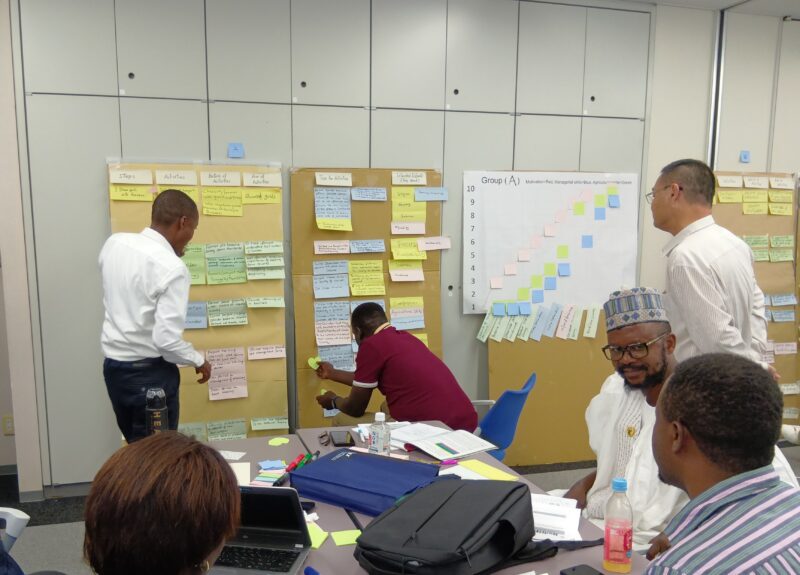
< Group Workshop >
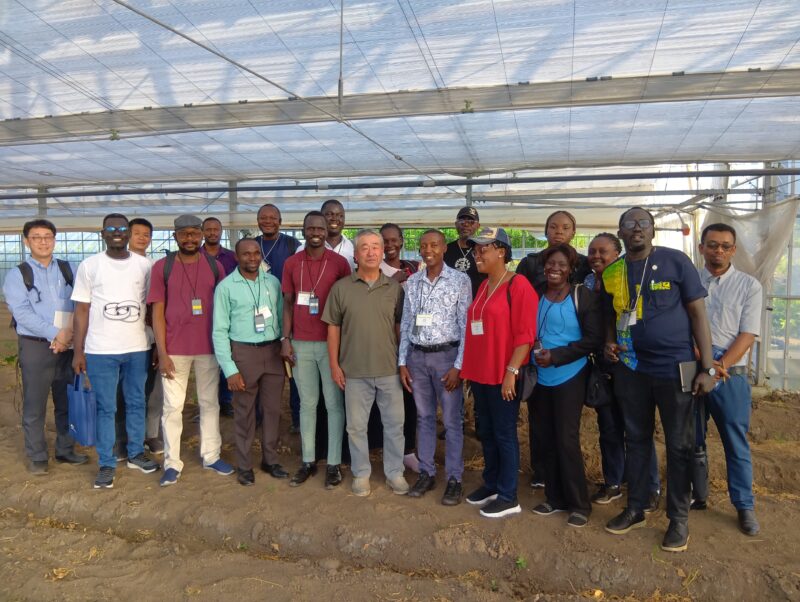
< Farm Visit >
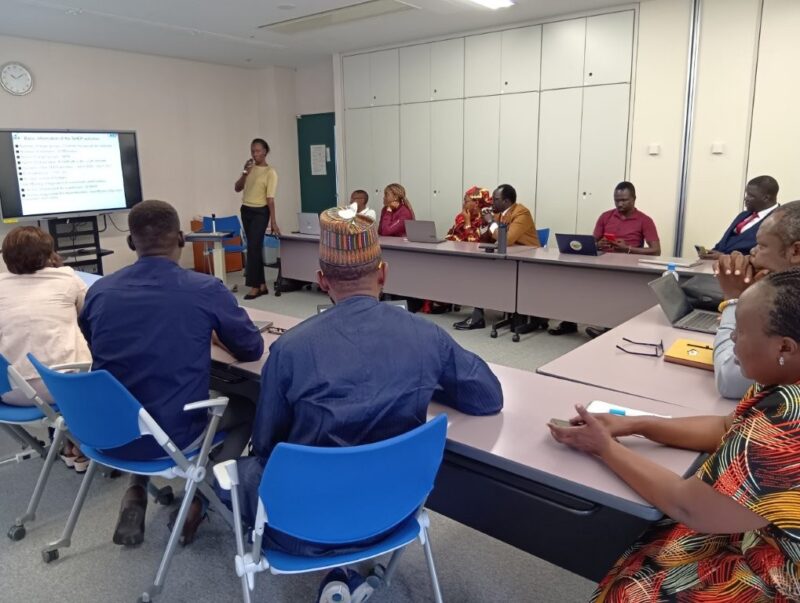
< Action Plan Presentation >
Schedule
May 14th – May 29th, 2026 *Training period
Course Leader
Asada Mitsuyoshi (International Cooperation Specialist, JICA Economic Development Dept.)
Client Organization
JICA Kansai
SDGs
Persons in Charge
Kimura, Saga, Okuyama
Instructor / Visited sites
JICA Project Specialists, JICA International Cooperation Specialists, etc. (12 lecturers/locations visited)

